Schools
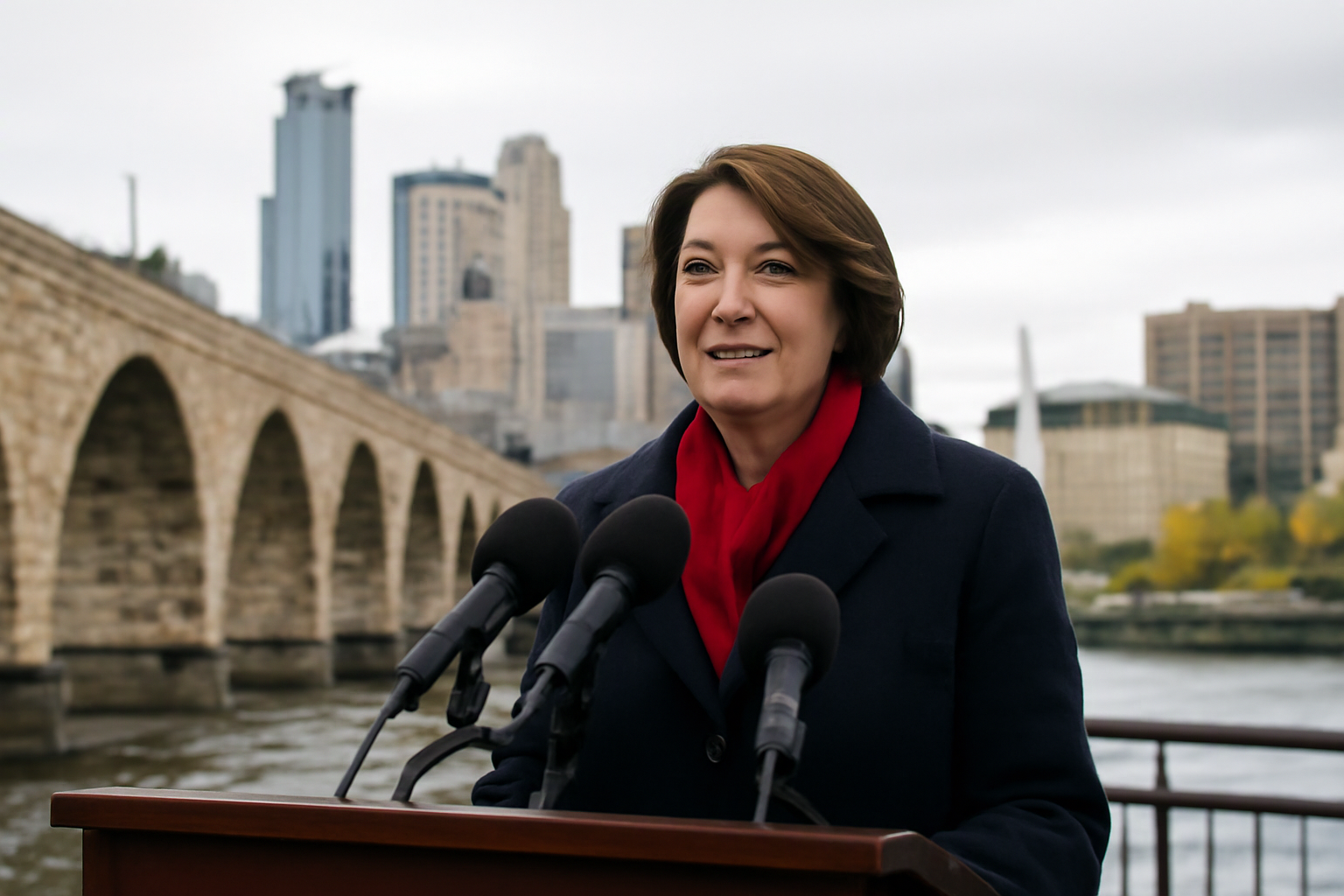
Amy Klobuchar highlights priorities after historic election as governor
By Katherine Langford
Advertisement · Why this ad?
Katherine oversees editorial operations across all six brands. Before joining The Meridan Group, she spent 14 years at the Minneapolis Star Tribune, where she led the metro desk through its digital transformation. She holds a Master's in Journalism from Northwestern's Medill School.
More from Katherine →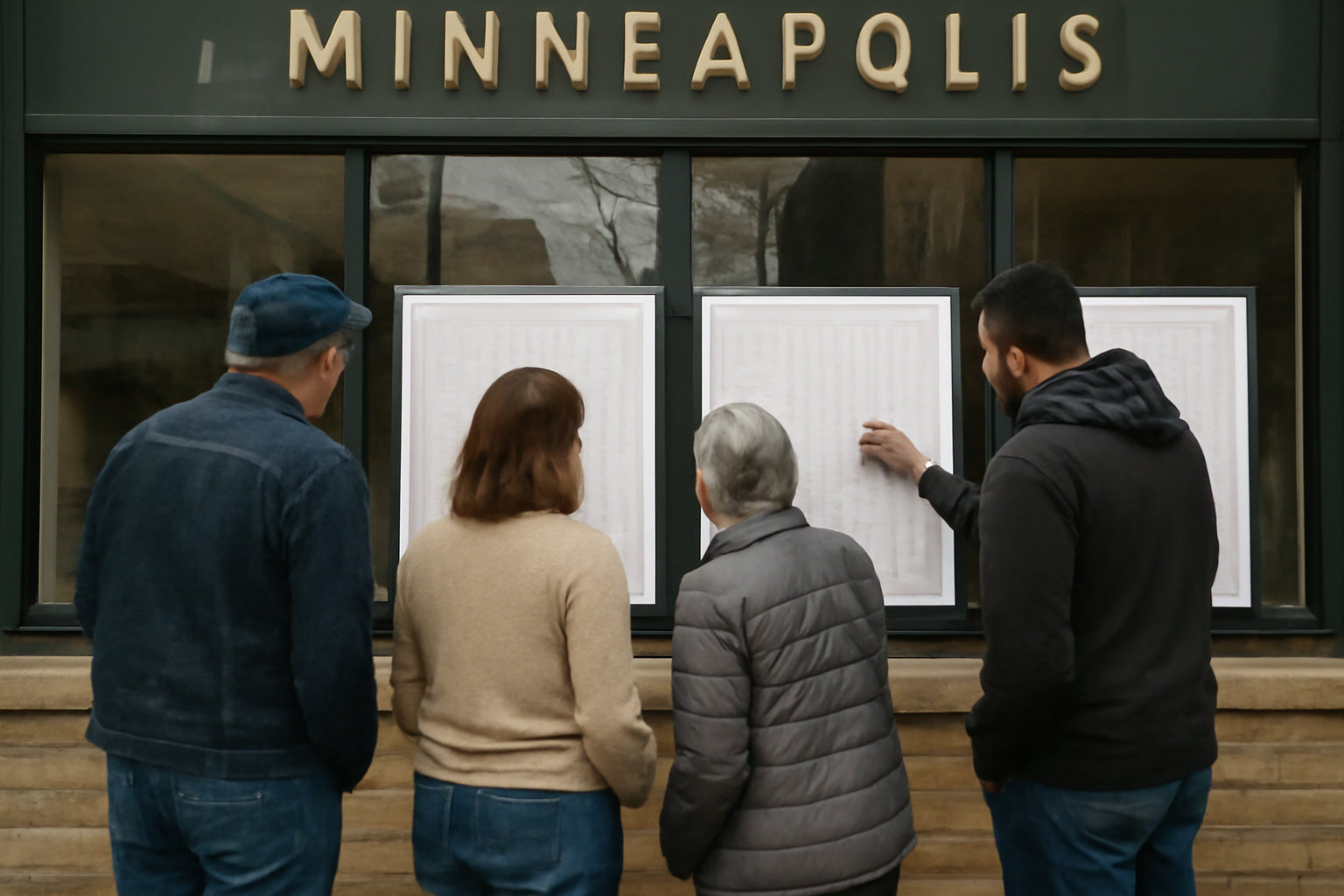
As the sun set over Minneapolis on a crisp autumn evening, residents gathered in small groups, exchanging opinions and predictions about the recent election results. The air was thick with anticipation, a palpable excitement that only comes when communities engage in the democratic process. On Tuesday, voters across the city cast their ballots, marking a pivotal moment in local governance that will shape the future of Minneapolis schools, city policies, and community services.
The results from the recent election, held on November 7, 2023, are now available, revealing a diverse array of choices made by the Minneapolis electorate. From the governor's race down to local school board positions, the outcomes reflect the priorities and concerns of the community. Minneapolis voters were tasked with deciding on numerous key positions, including the mayor, city council members, and various school board candidates. Each of these roles plays a crucial part in shaping policies that affect daily life in the city.
In the governor's race, incumbent Governor Tim Walz successfully secured his position, garnering over 55% of the votes. His administration has focused on education reform, healthcare access, and climate initiatives, resonating with a significant portion of the Minneapolis electorate. Meanwhile, the school board elections attracted considerable attention, with candidates advocating for various educational reforms, including curriculum updates and mental health resources for students.
The implications of these election results are profound for Minneapolis families. With the school board's composition changing, parents and educators alike are eager to see how new members will address pressing issues such as funding disparities and educational equity. The Minneapolis Public Schools district has faced challenges in recent years, including declining enrollment and budget constraints, making this election particularly significant.
Local resident and parent, Sarah Thompson, expressed her hopes for the new school board members. “I want to see a focus on mental health support and resources for our kids,” she said. “These are critical times for our children, and we need leaders who understand that.” The community's voice, reflected in these election outcomes, underscores a collective desire for positive change and commitment to the future of education in Minneapolis.
Beyond the school board, the city council elections also highlighted the community's commitment to addressing systemic issues such as housing affordability and public safety. Council member Lisa Bender, who was re-elected, emphasized the importance of collaborative governance. “Our city thrives when we work together,” she stated in her victory speech. “I am committed to ensuring that every voice is heard in our decision-making processes.”
This sentiment resonates deeply with many Minneapolis residents who are concerned about the direction of their city. The election results provide a mandate for leaders to prioritize community engagement and transparency, fostering a sense of trust between elected officials and constituents.
The election results are not just numbers; they represent the hopes and aspirations of individuals within the community. For example, James Carter, a high school teacher in Minneapolis, shared his thoughts on the election's significance. “We need a school board that prioritizes not just academic success but also the overall well-being of our students,” he said. “Education is about nurturing the whole child, and I hope the new board members recognize that.”
Moreover, the perspectives of students themselves are crucial. A group of high school seniors from Minneapolis North High School expressed their desire for more inclusive curricula that reflect the diverse backgrounds of their peers. “We want to see ourselves in what we learn,” said senior Maya Johnson. “It’s important for us to feel represented and understood in our education.” Their voices highlight the need for educational reforms that are not only responsive to parental concerns but also directly involve student experiences and aspirations.
Looking ahead, the newly elected officials will face the daunting task of implementing their campaign promises while navigating the complexities of city governance. With issues such as budget allocations and policy reforms on the table, the focus will need to remain on collaboration and community input. The Minneapolis City Council will convene soon to discuss strategies for addressing the immediate needs of residents, particularly in the realms of education and public safety.
As the city moves forward, the importance of civic engagement cannot be overstated. Residents are encouraged to stay informed and involved in local governance, attending city council meetings and participating in community forums. The recent election serves as a reminder that every vote matters and that the future of Minneapolis is shaped by the collective will of its people. For those seeking more information about the election results and upcoming council meetings, the City of Minneapolis Elections Office provides comprehensive resources.
To facilitate ongoing engagement, several community organizations are stepping up to host forums and discussions to keep the momentum going. The Minneapolis Foundation is planning a series of workshops aimed at educating residents about the new policies and how they can get involved. These workshops will not only cover the implications of the election results but also provide a platform for residents to voice their concerns and suggestions directly to elected officials.
Additionally, local advocacy groups such as the Minnesota Public Interest Research Group (MPIRG) are committed to ensuring that young people have a voice in civic matters, emphasizing the importance of youth engagement in the democratic process. They plan to host events specifically targeting young voters to encourage continued participation in future elections.
For those interested in understanding the implications of the election results further, several local organizations offer resources and support. The Minneapolis Foundation is dedicated to fostering community engagement and can help residents navigate the new political landscape. Additionally, the Minneapolis Public Schools website provides updates on school board decisions and educational initiatives that will directly affect families.
Furthermore, local advocacy groups such as Minnesota Public Interest Research Group (MPIRG) are committed to ensuring that young people have a voice in civic matters, emphasizing the importance of youth engagement in the democratic process.
As the dust settles on the November elections, Minneapolis stands at a crossroads, with new leadership poised to tackle the challenges ahead. The collective decisions made by voters reflect a desire for change, accountability, and progress. With strong family values and a commitment to community well-being at the forefront, residents can look forward to a future where their voices are heard and their needs are prioritized. The upcoming months will be crucial as elected officials begin to implement their visions for a better Minneapolis, and the engagement of the community will be vital in shaping that future.
By Katherine Langford

By Katherine Langford

By Marcus Chen

By Katherine Langford