Community
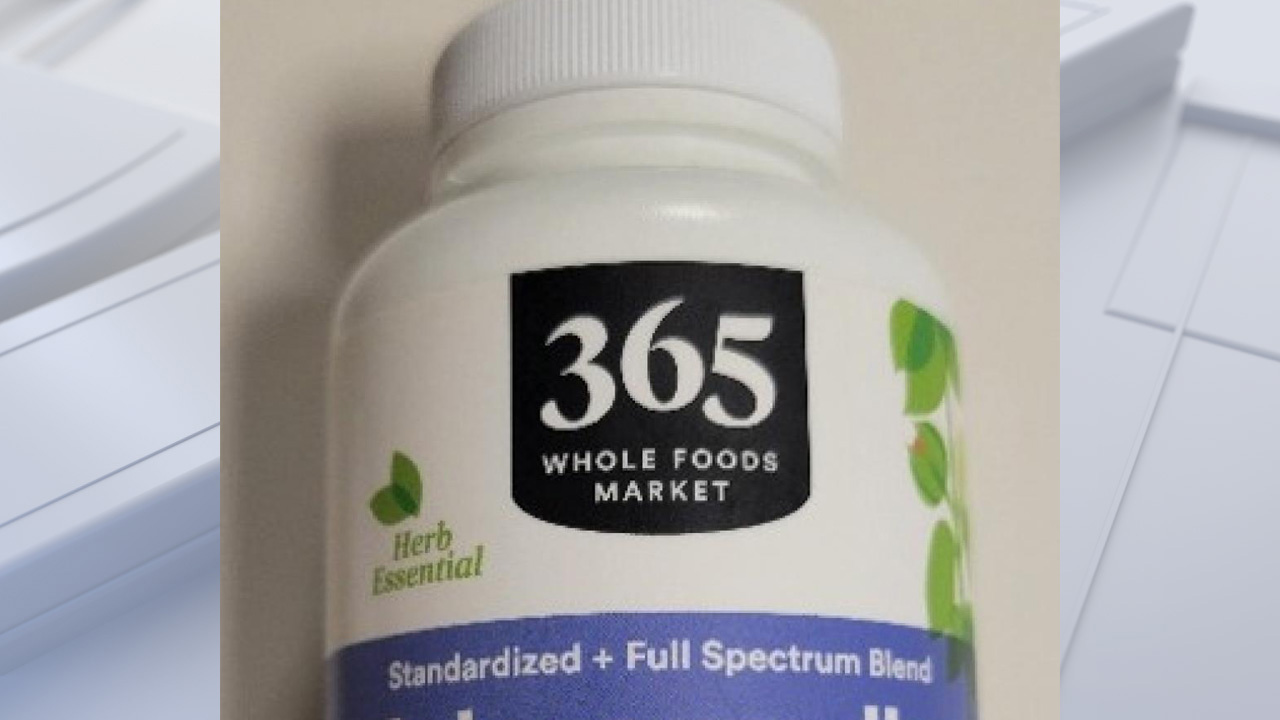
365 Whole Foods' supplement recalled over salmonella risk
By Marcus Chen
Advertisement · Why this ad?
Katherine oversees editorial operations across all six brands. Before joining The Meridan Group, she spent 14 years at the Minneapolis Star Tribune, where she led the metro desk through its digital transformation. She holds a Master's in Journalism from Northwestern's Medill School.
More from Katherine →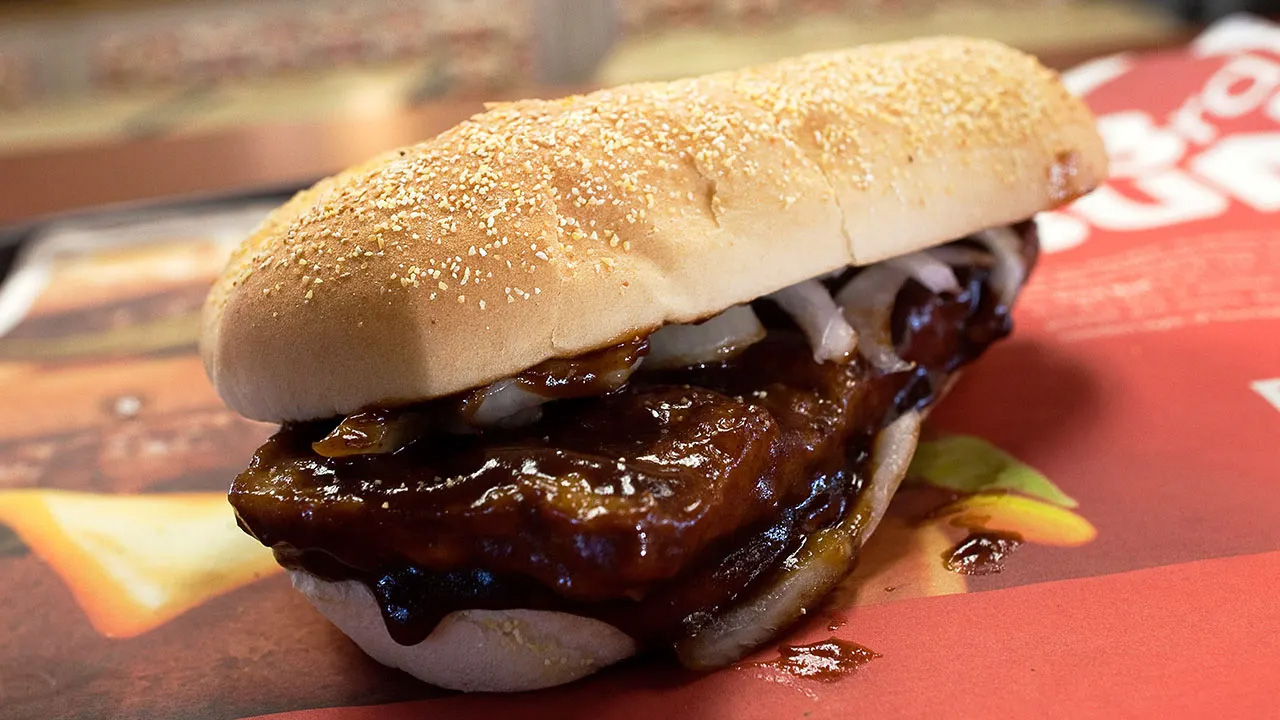
As the sun dipped below the horizon, casting a golden glow over a bustling Minneapolis neighborhood, families gathered around picnic tables in the local park, savoring the last bites of summer. Among them, a group of friends reminisced about their favorite fast-food experiences, with the iconic McRib sandwich often taking center stage. Little did they know, a legal storm was brewing over the very product they cherished. In a significant development for consumers and the fast-food industry alike, a federal judge has allowed a lawsuit against McDonald's to proceed, accusing the company of misleading customers about the meat used in its beloved McRib sandwich.
On October 6, 2023, U.S. District Judge William Alsup ruled that the lawsuit could move forward, responding to claims that McDonald's misrepresented the ingredients in its McRib sandwich. The lawsuit, initiated by a group of consumers, alleges that the fast-food giant failed to disclose the true nature of the meat used in the sandwich, which has garnered a loyal following since its debut in 1981. The plaintiffs assert that the marketing of the McRib misled them into believing they were consuming a higher quality product than what was actually served.
The lawsuit cites specific instances where McDonald's advertising campaigns emphasized the use of “real” meat, a term the plaintiffs argue is vague and misleading. According to the complaint, the company’s promotional materials created an impression of authenticity that did not align with the reality of the sandwich's ingredients. The plaintiffs seek damages and a court order requiring McDonald's to clarify its marketing practices regarding the McRib.
The McRib sandwich, a seasonal favorite, is known for its unique flavor profile and has developed a cult-like following among fast-food enthusiasts. However, this lawsuit raises broader questions about food labeling and consumer rights in the fast-food industry. The plaintiffs contend that they were led to believe the McRib was made from quality ingredients, only to discover that the reality was far different.
In an era where consumers are increasingly concerned about the origins and quality of their food, this case highlights the tension between marketing and transparency. The lawsuit could set a precedent for how fast-food companies advertise their products, especially regarding the use of terms like “real” or “natural.” As more consumers demand clarity and honesty from food brands, the outcome of this case may resonate beyond the McRib, impacting the entire fast-food industry.
For many in Minneapolis, the McRib is more than just a sandwich; it represents a nostalgic connection to family outings and shared meals. Local residents have expressed a mix of surprise and concern regarding the lawsuit. Many are questioning the implications of the claims and what it means for their favorite fast-food choices. “I grew up eating McRibs with my family. It’s a tradition for us,” said Sarah Jensen, a Minneapolis resident. “If they’ve been misleading us about what’s in it, that’s concerning.”
The potential fallout from this lawsuit could ripple through the community, as consumers become more vigilant about the food they consume. Local health advocates are encouraging residents to educate themselves about food labeling and to demand transparency from companies. “This is an opportunity for consumers to engage with the brands they trust and hold them accountable,” noted Mark Thompson, a local nutritionist. “It’s essential for people to know what they are putting into their bodies.”
The McDonald's lawsuit taps into a growing movement advocating for consumer rights and food transparency. Organizations such as the Consumer Reports have long championed the need for clearer food labeling, encouraging consumers to be informed about what they eat. As more people become aware of the ingredients in their food, the demand for accountability from food producers has intensified.
In recent years, several states have enacted legislation aimed at improving food labeling standards, reflecting a shift in consumer expectations. The McRib lawsuit may further fuel this movement, prompting other fast-food chains to reevaluate their marketing practices and ingredient transparency. The outcome could lead to more stringent regulations that protect consumers from misleading advertising.
As the lawsuit progresses, McDonald's faces not only the potential for financial repercussions but also the challenge of restoring consumer trust. The company has long positioned itself as a family-friendly brand, often marketing its products as wholesome and authentic. This lawsuit threatens to undermine that image, compelling the fast-food giant to reassess its advertising strategies.
In response to the ruling, McDonald's has stated that it stands by the quality of its food and the integrity of its marketing practices. The company emphasizes its commitment to transparency and has launched initiatives aimed at improving ingredient sourcing and consumer education. However, as the legal proceedings unfold, it remains to be seen how effective these measures will be in addressing consumer concerns.
The McRib lawsuit is emblematic of a larger trend within the fast-food industry, where consumers are increasingly demanding accountability and transparency. As public scrutiny intensifies, companies may find themselves navigating a new landscape where traditional marketing tactics are no longer sufficient. The outcome of this case could inspire a wave of similar lawsuits, encouraging consumers to challenge misleading advertising practices across the industry.
Moreover, this legal battle could prompt other fast-food chains to reevaluate their ingredient sourcing and marketing strategies. Companies may need to invest in clearer labeling and more honest advertising to avoid potential legal pitfalls. The McRib case serves as a reminder that consumer trust is paramount in the fast-food sector, and maintaining that trust requires a commitment to transparency and quality.
As the McDonald's McRib lawsuit unfolds, it highlights the critical intersection of consumer rights, food transparency, and corporate accountability. For Minneapolis residents and consumers nationwide, this case serves as a call to action, urging individuals to be vigilant about the food they consume and to hold companies accountable for their claims. In a world where fast-food choices are abundant, understanding what goes into our meals is more important than ever.
As families gather around tables in Minneapolis, sharing stories over their favorite meals, the McRib saga serves as a reminder of the importance of informed choices. The outcome of this lawsuit may not only reshape the future of McDonald's marketing practices but could also inspire a broader movement towards greater transparency in the fast-food industry.
By Marcus Chen

By Marcus Chen

By Marcus Chen

By Katherine Langford