Arts
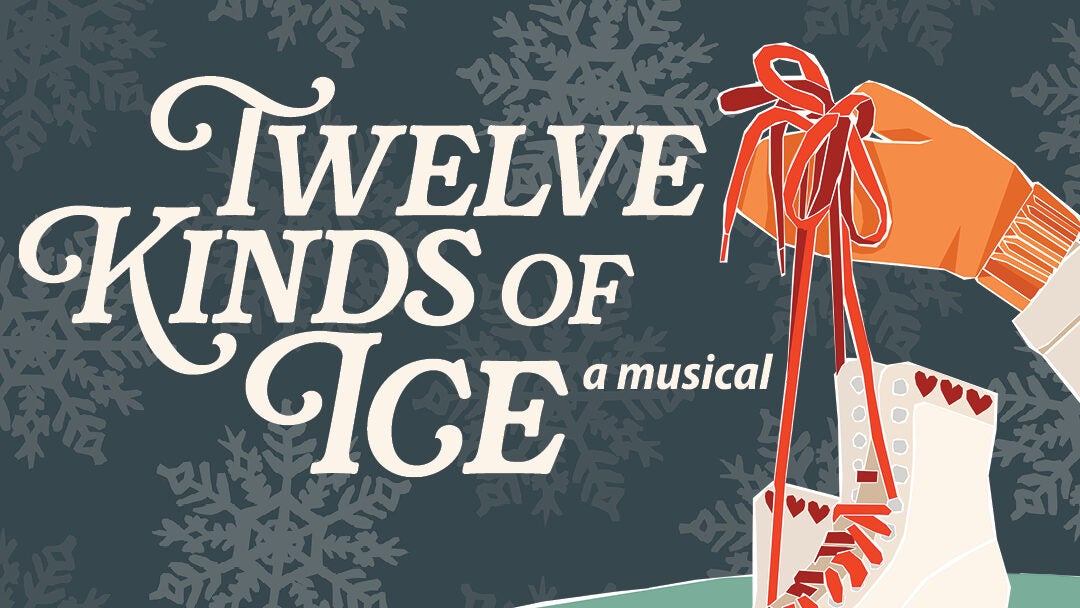
Children’s Theatre Company’s Twelve Kinds of Ice musical
By Marcus Chen
Advertisement · Why this ad?
Marcus manages the day-to-day editorial workflow across all brands, coordinating coverage assignments and ensuring editorial standards are met. He previously served as city editor at the Pioneer Press and holds a degree in Political Science from Carleton College.
More from Marcus →
As the sun dipped below the horizon, the air filled with excitement at the Minnesota Bat Festival, where families gathered to celebrate one of nature's most misunderstood creatures. Children donned bat masks and fluttered around the park, while parents engaged in educational activities aimed at dispelling myths surrounding these nocturnal mammals. The festival, held annually in Minneapolis, has become a staple for locals eager to learn about the vital role bats play in our ecosystem.
This year's Minnesota Bat Festival took place on August 12, 2023, at the scenic Minneapolis Park and Recreation Board's Lake Nokomis. The event featured a variety of activities, including guided bat walks, live demonstrations, and educational booths from local wildlife organizations. Attendees could participate in crafts, face painting, and even a bat-themed scavenger hunt, all designed to engage families in fun and informative ways.
The festival aimed not only to entertain but also to educate the public about the ecological importance of bats. With over 1,400 species worldwide, bats are crucial for pollination and pest control, yet they often face misconceptions that lead to fear and misunderstanding. This festival provided a platform for conservationists and educators to share knowledge and foster a greater appreciation for these creatures.
Local residents turned out in droves, demonstrating the community's commitment to wildlife conservation. Parents like Sarah Johnson, who brought her two children, expressed their enthusiasm for the event. “It’s great to see the kids learning about bats in such a fun way. They’re fascinated by how bats help our environment,” she said. Johnson highlighted the importance of fostering a love for nature in the younger generation. This sentiment was echoed by many attendees, reinforcing the festival's role as an educational tool for families.
Organizations such as the Bat Conservation International and the Minnesota Department of Natural Resources participated, offering valuable insights into bat behavior and conservation efforts. The presence of these organizations underscores the collaborative spirit of the festival, bringing together various stakeholders dedicated to wildlife protection. Volunteers from local schools and community groups also played a vital role, helping to run activities and engage with festival-goers, showcasing the strong sense of community involvement.
Workshops led by experts provided deeper insights into bat biology and the threats they face, including habitat loss and disease. “Bats are essential for our ecosystem, and educating the public is the first step in their conservation,” said Dr. Emily Carter, a wildlife biologist who spoke at the event. Her passion resonated with attendees, many of whom left with a newfound respect for these flying mammals. Workshops included hands-on activities such as building bat houses, which attendees could take home to encourage local bat populations.
In Minnesota, there are several species of bats that play crucial roles in the local ecosystem. The little brown bat, once the most common species in the state, has faced dramatic declines due to white-nose syndrome, a fungal disease that affects hibernating bats. Understanding the plight of these local species was a key focus of the festival, with experts discussing ongoing research and conservation efforts aimed at protecting these vulnerable populations. This local context added depth to the festival, as attendees learned how their actions could impact the survival of these species.
The Minnesota Bat Festival serves as a reminder of the interconnectedness of nature and the role each species plays. Bats are not just creatures of the night; they are integral to the balance of our environment. Their ability to consume vast quantities of insects makes them invaluable allies for farmers and gardeners alike. As urban development encroaches on natural habitats, events like this festival highlight the need for conservation.
Community members voiced their support for ongoing educational initiatives. “It’s crucial that we continue to have events like this to raise awareness and promote conservation efforts,” said Tom Anderson, a local farmer. His perspective emphasizes the practical benefits of bats in pest management, reinforcing the idea that conservation is not just an environmental issue but an economic one as well. The festival also provided a platform for local businesses to showcase bat-friendly products, such as organic pest control solutions, further intertwining community interests with conservation efforts.
The festival was not only a gathering of families and wildlife enthusiasts but also a platform for local voices to share their experiences and concerns about wildlife conservation. Local high school student Mia Thompson volunteered at the event and was thrilled to play a part in educating others. “I’ve always loved animals, and bats are so important for our environment. It feels great to help people understand that,” she said. Her enthusiasm reflects a growing trend among young people in Minneapolis who are becoming increasingly active in environmental advocacy.
Another local resident, John Martinez, a retired teacher, shared his thoughts on the importance of such events. “We need to nurture curiosity about nature in our children. The Bat Festival does just that by making learning fun and interactive,” he said. His dedication to education and wildlife conservation illustrates the strong community ties that enhance the festival's impact.
As the festival concluded, organizers began planning for next year’s event, hoping to expand the offerings and reach even more families. The goal is to make the Minnesota Bat Festival a cornerstone of community engagement in wildlife conservation. “We want to build on this momentum and continue to educate and inspire,” said festival coordinator Lisa Tran. She emphasized the importance of creating a festival that not only entertains but also empowers attendees to take action in their own lives to protect bats.
Future plans include partnerships with schools to develop curriculum resources that align with the festival’s educational goals. By integrating bat education into school programs, the festival aims to instill a sense of stewardship for wildlife in younger generations. Additionally, organizers are exploring opportunities for community-led bat monitoring programs, which would allow residents to actively participate in conservation efforts while fostering a deeper connection to local wildlife.
For those interested in learning more about bats and conservation efforts, several resources are available. The Bat Conservation International offers extensive information on bat species, their habitats, and conservation strategies. Additionally, the Minnesota Department of Natural Resources provides guidelines on how residents can support local bat populations.
Moreover, local libraries and community centers often host workshops and events focused on wildlife education, providing ongoing opportunities for residents to engage with nature and learn about their local ecosystems. The Minnesota Bat Festival not only serves as a celebration but also as a catalyst for ongoing dialogue about wildlife conservation in the community. By fostering an environment where families can learn together, the festival continues to play a vital role in shaping a more informed and proactive community.
By Marcus Chen

By Marcus Chen

By Katherine Langford

By Marcus Chen